
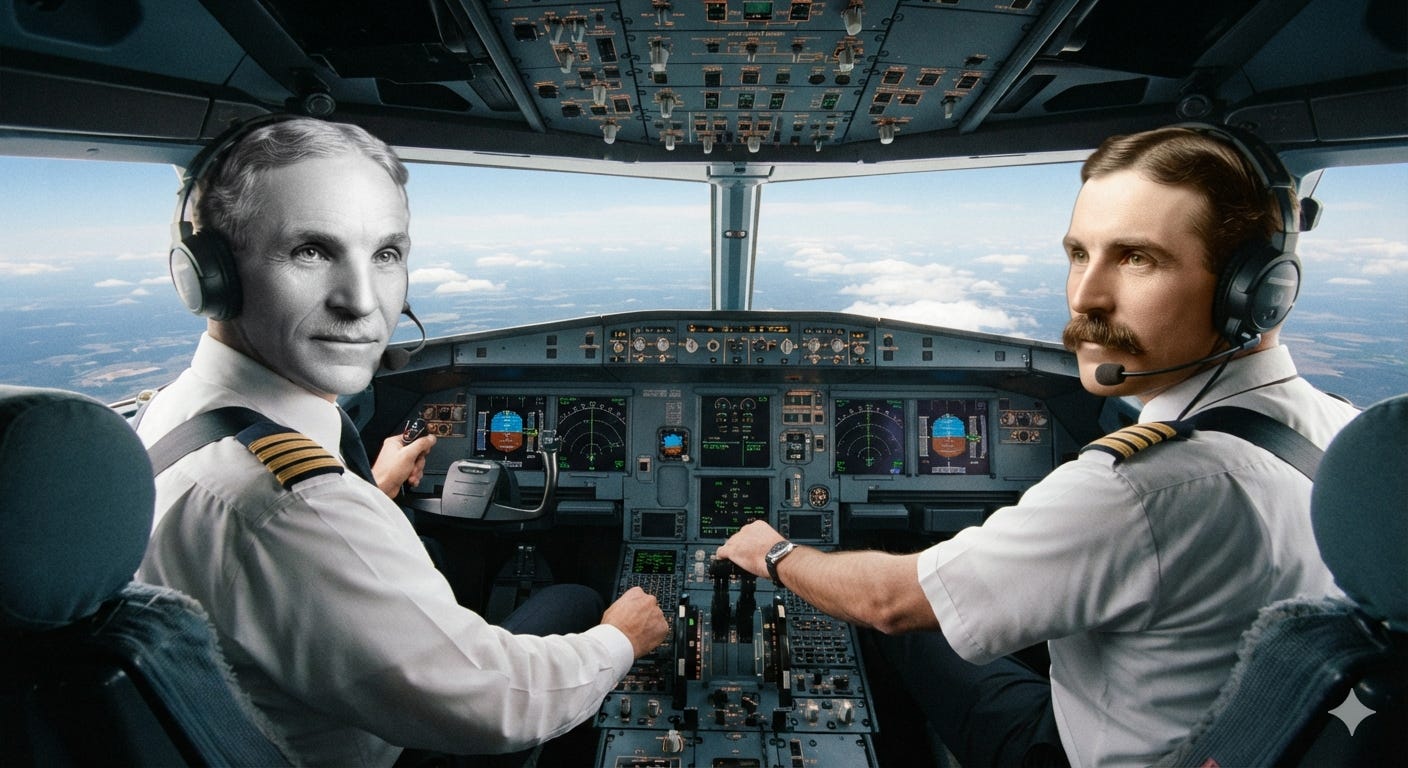
I recorded an episode of the Vivá La Visionary podcast with Bob Shenefelt last week. Coach Bob is a visionary himself and has spent close to 30 years coaching visionary entrepreneurs. Today he does that as a professional implementer of the Entrepreneurial Operating System, which helps entrepreneurs break through growth barriers by bringing discipline to vision, people, process, and execution. Two of the most important seats in EOS are the Visionary and the Integrator. The Visionary sets the flight path for where the company is going. The Integrator keeps the plane on course and in the air.
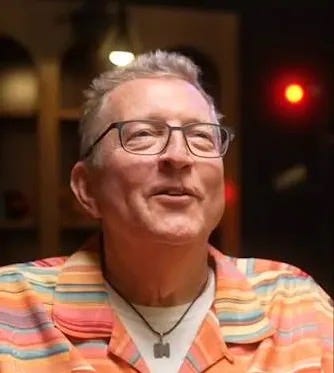
As I’ve reflected on our conversation, I keep coming back to how the Visionary/Integrator relationship has to evolve, just like everything else in the always-on, AI era.
The power of pairs shows up everywhere once you start looking. The best-performing companies I worked with, first as a banker and later as an executive, almost always had one at the top. Sometimes it was formal. More often it was just two people who figured out how to cover for each other’s blind spots.
Last week we talked about the converging forces speeding us up and robbing our capacity. Now, more than ever, I’m convinced we all need a copilot
The pair has a name and a long record
Gino Wickman and Mark Winters gave the pairing its modern language in the book Rocket Fuel: Visionaries have the ideas, Integrators make them real. The history of business is chock full of great examples: Walt and Roy Disney. Ray Kroc and Fred Turner. Henry Ford and James Couzens.
Wickman and Winters are also direct about the discipline that makes the pair work. A Visionary is meant to be a Visionary — someone with a dream or a grand plan — while an Integrator is meant to be an Integrator, executing the vision. Wickman and Winters concluded that we are one or the other, rarely both.
In my experience, I think we all tend to lean one way or the other. I’m not arguing with the seats. What I’ve been chewing on since the recording is something else: how current each partner’s read of the other’s seat has to be now.
What the old rhythm used to buy us
The classic Visionary / Integrator model assumes a rhythm. Set the direction. Execute against it. Reset every quarter.
That doesn’t mean the pair goes quiet in between. In a well-run company, they talk every week. But the weekly conversation is about whether the plan is on track, not whether it’s still the right plan. That split is by design, and it’s what the quarterly reset delivered: 90 days to hold a priority steady, because the ground underneath us moved slower than that.
The always-on, AI era doesn’t give us that luxury anymore. We’re being asked to exploit what we know and explore what we don’t in the same quarter, sometimes in the same week. When the playbook is being written while we’re executing from it, there’s no time to wait to reconvene.
Our first instinct might be to ask both of them to stay connected in real time, each carrying both loads.
That answer is worse than the problem. It doesn’t split the load across two people. It doubles it. And two overloaded leaders make worse calls than one focused one, every time.
Henry Ford and James Couzens
Here’s the pair I love to think about, partly because it’s a great Detroit story.
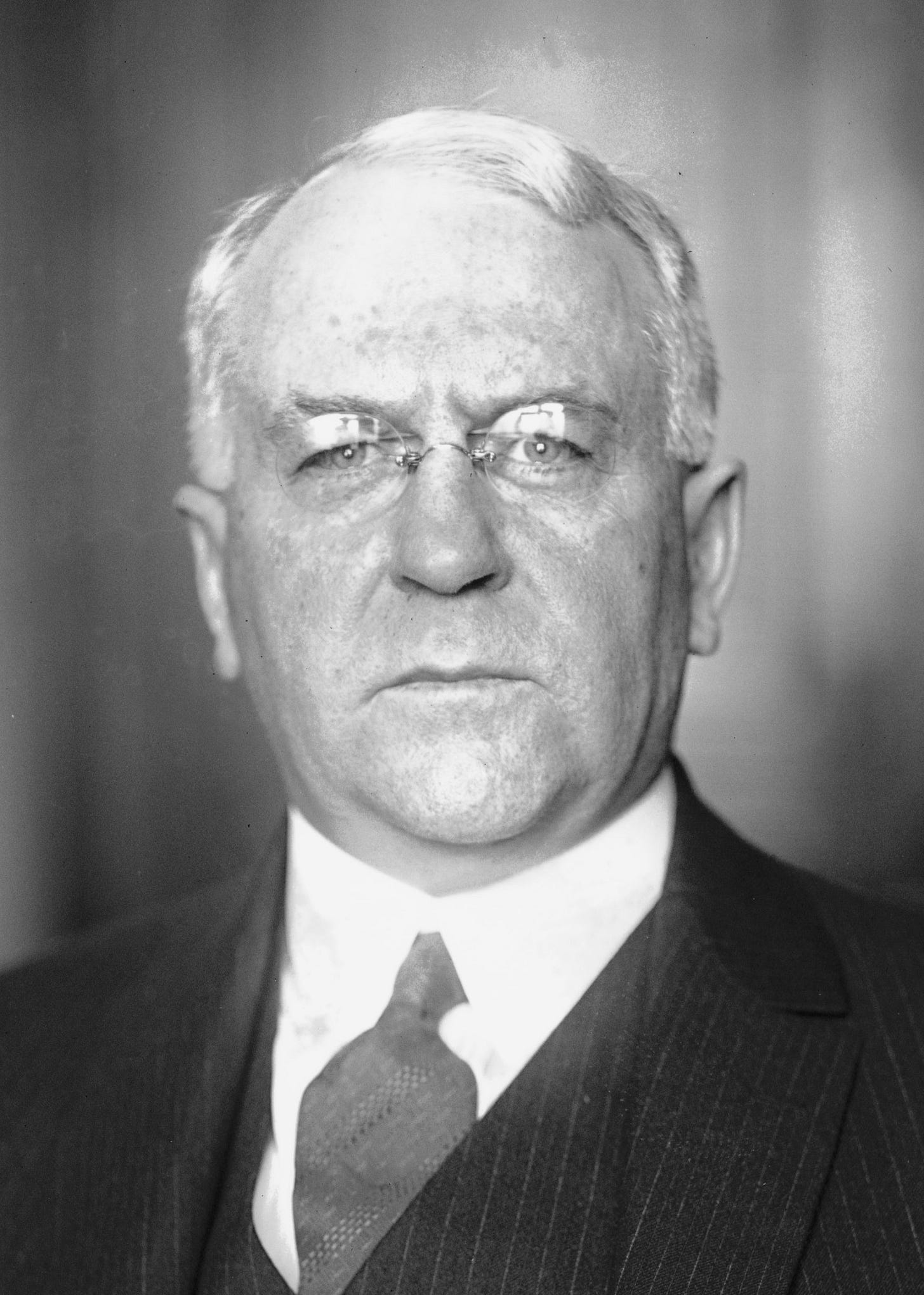
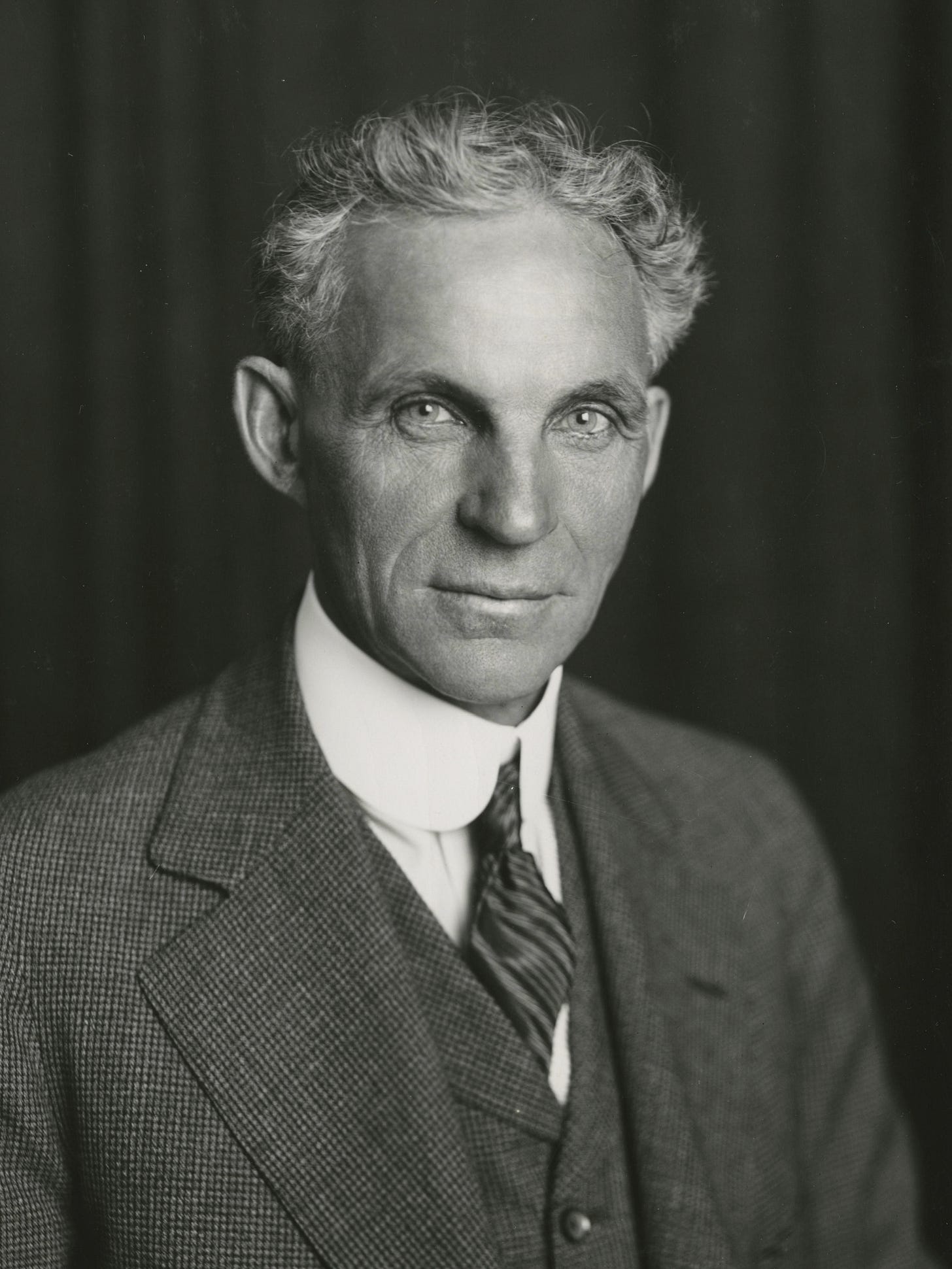
James Couzens put $2,500 into Henry Ford’s new company in 1903 and became its secretary. He worked his way to vice president and general manager, building the machinery of accounting, finance and labor policy under the vision. By late 1913, that machinery was breaking. Employee turnover alone was 380%. At that rate, it took 963 hires to add 100 men.
That’s a massive operating problem, and every conventional answer to it is an operating answer. But Henry Ford and James Couzens weren’t conventional. On New Year’s Day 1914, the officers met in Ford’s office to rethink employment at Ford Motor Company altogether. Four days later, Ford and Couzens announced a revolutionary wage structure: $5 for an 8-hour day, up from $2.34 for nine.
More than a century later, historians still can’t settle whose idea it was. The Henry Ford Museum’s own account has Ford acting “probably in response to the urging of James Couzens.” That’s what a decision looks like when it comes from the overlap. The problem showed up in the operator’s numbers. The answer required a bet on what kind of company this was going to be.
Although James Couzens shared the cockpit with Henry Ford, he didn’t take Ford’s seat. It turns out he left in 1915 over a disagreement about U.S. involvement in World War I, and then he went on to become mayor of Detroit and later a U.S. senator.
Major in your seat. Minor in the other.
The Ford/Couzens lesson highlights the shift I’d offer to anyone running one of these pairs right now: major in your own function, minor in your partner’s.
The minor is for reading, not deciding. The Integrator learns enough about where the firm is headed to do what Couzens did — recognize a strategy decision when it manifests as an operating issue. The Visionary learns enough about delivery to know how a new operating decision will impact the trajectory of the firm. Neither one takes the other’s decision. That boundary is what keeps a minor from turning into meddling, which is the oldest failure mode these pairs have.
Most importantly, focus stays intact. That’s what protects capacity. What changes is that both read the same instrument panel.
This is the Power of &™ operating at the smallest possible scale. Finding the &, the second move of the & Intelligence™ framework, requires us to agree on a shared definition of what winning looks like. Usually that work happens in a room of 12 or more, but it works exactly the same way between two–and the pairs that compound their impact are the ones who hold together for decades.
So here’s the question I’m sitting with this week: what do I learn about my partner’s seat only after the decision has already been made?
Sources
The Visionary/Integrator model
Gino Wickman and Mark C. Winters, Rocket Fuel — https://www.simonandschuster.com/books/Rocket-Fuel/Gino-Wickman/9781942952312
EOS Worldwide on the Visionary/Integrator pairing — https://www.eosworldwide.com/blog/harnessing-rocket-fuel-how-visionary-and-integrator-roles-create-unstoppable-business-growth
Vivá La Visionary, hosted by Coach Bob Shenefelt —
James Couzens
Automotive Hall of Fame — https://automotivehalloffame.org/honoree/james-j-couzens/
Detroit Historical Society, Encyclopedia of Detroit — https://detroithistorical.org/learn/encyclopedia-of-detroit/couzens-james
https://www.thehenryford.org/collections-and-research/digital-collections/artifact/35765/.